

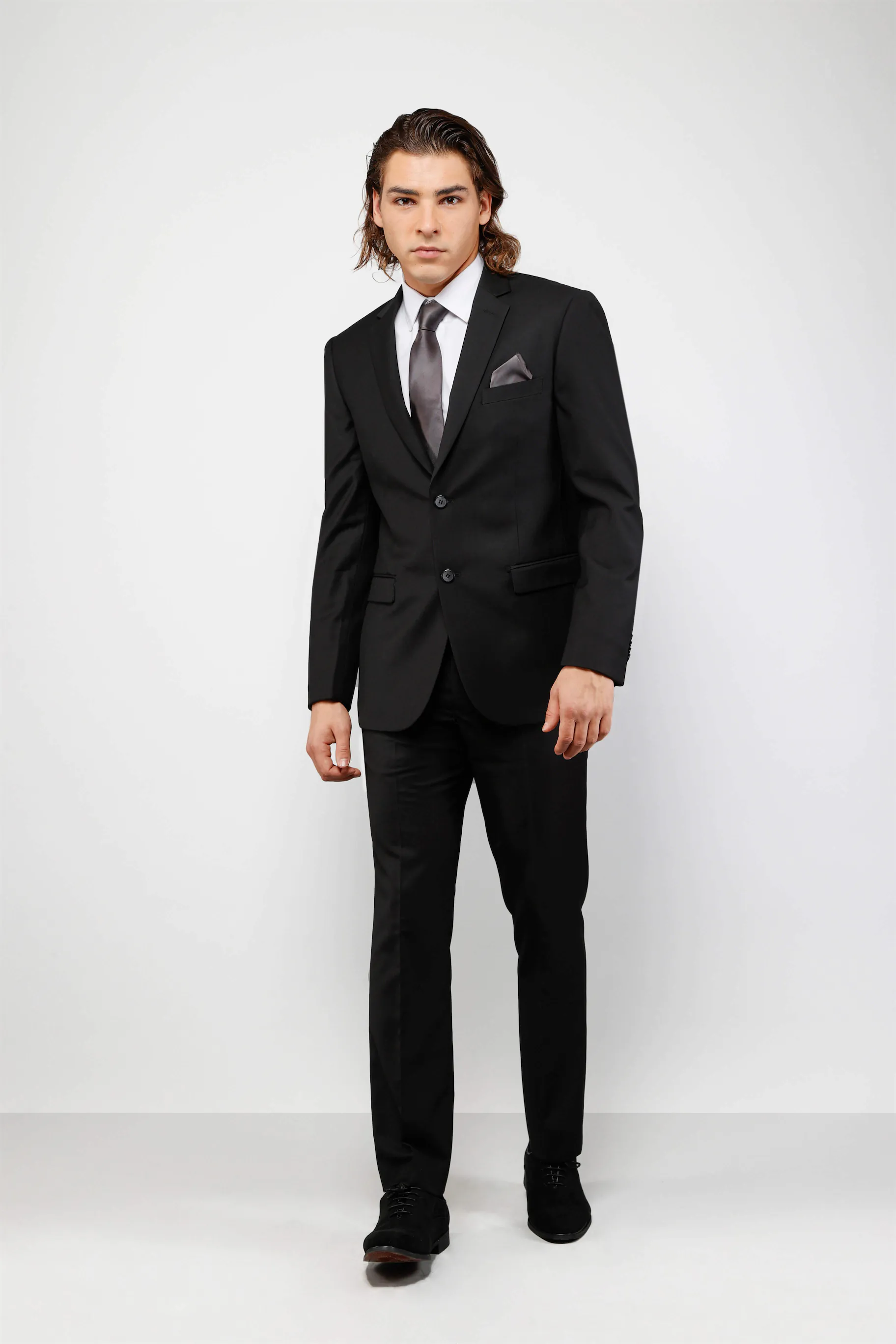
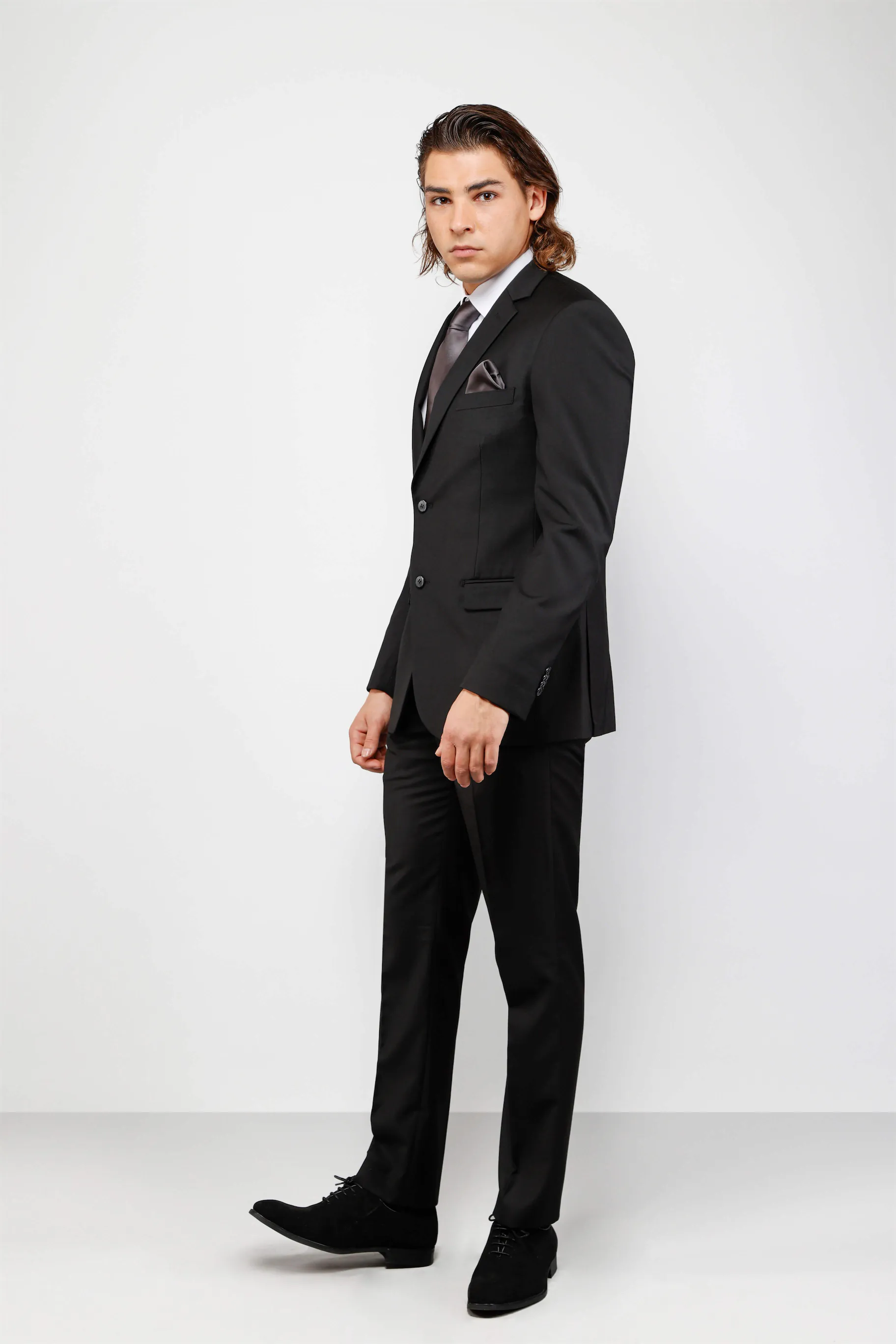
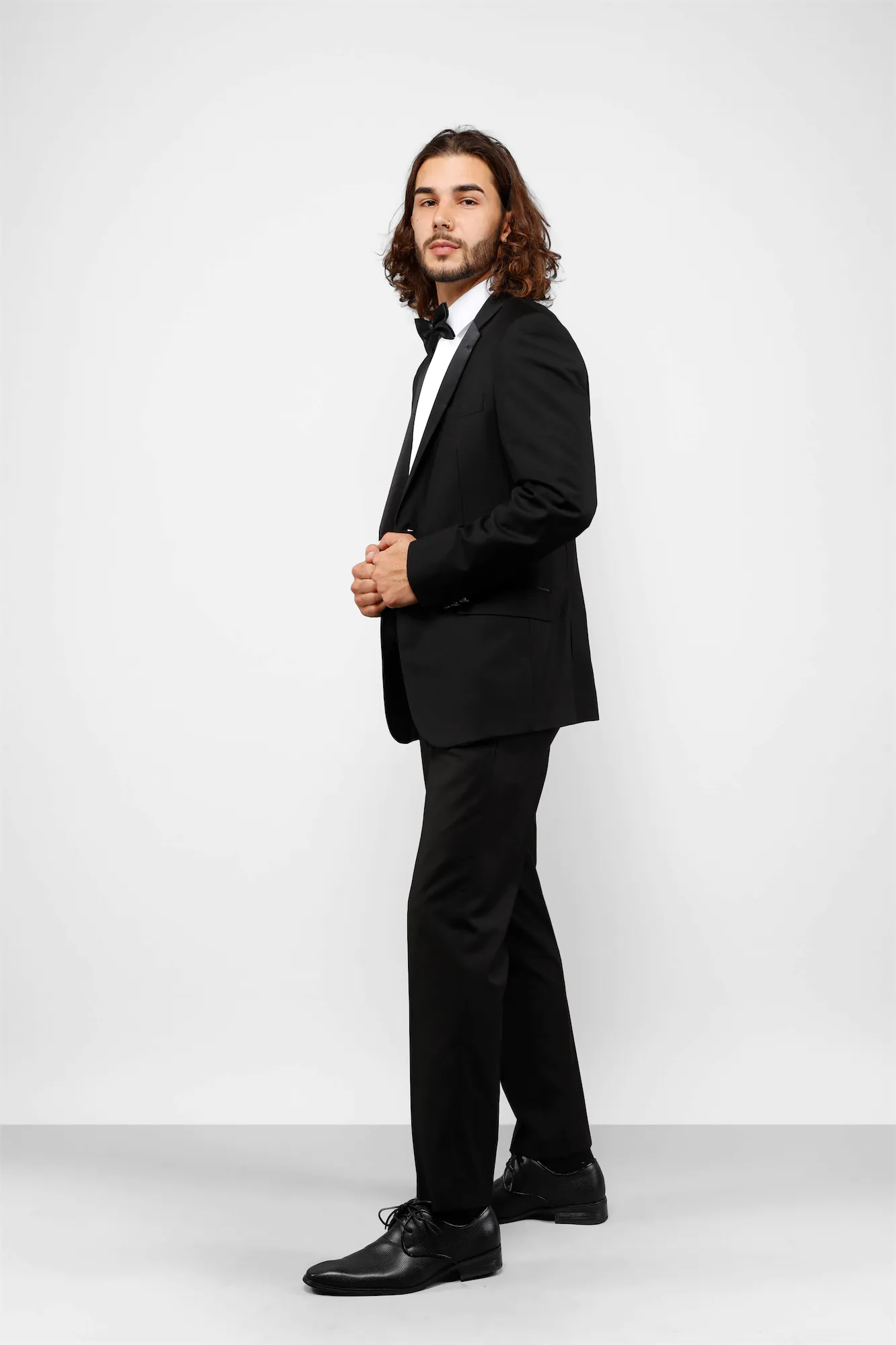
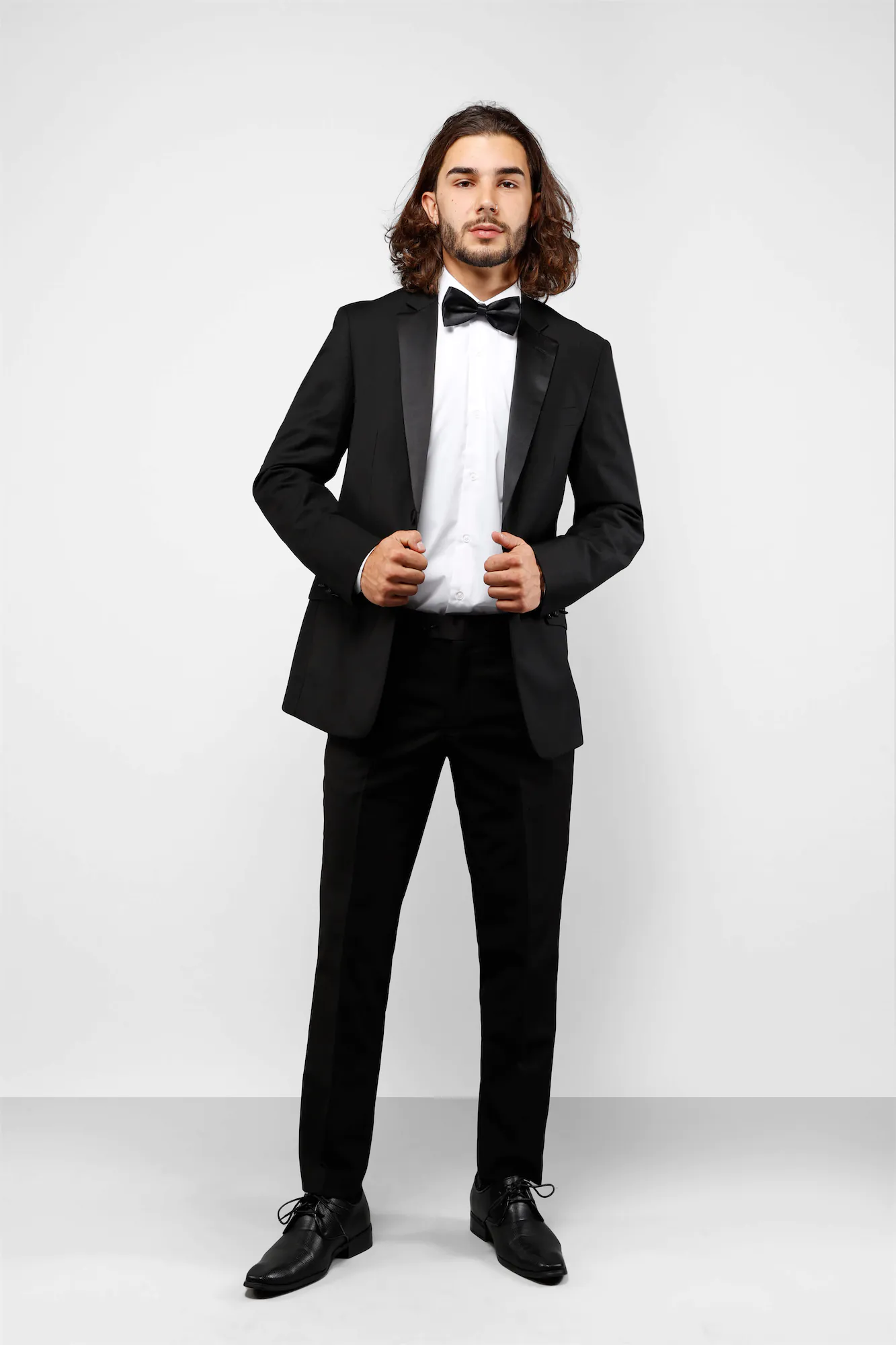

The Ultimate Suit Buying Guide
Navigate the world of men's wedding suits with our comprehensive guide. From understanding the dress code to adding the final touches, discover how to choose the perfect suit with Suitcentury.
Your cart is empty.
Browse Suits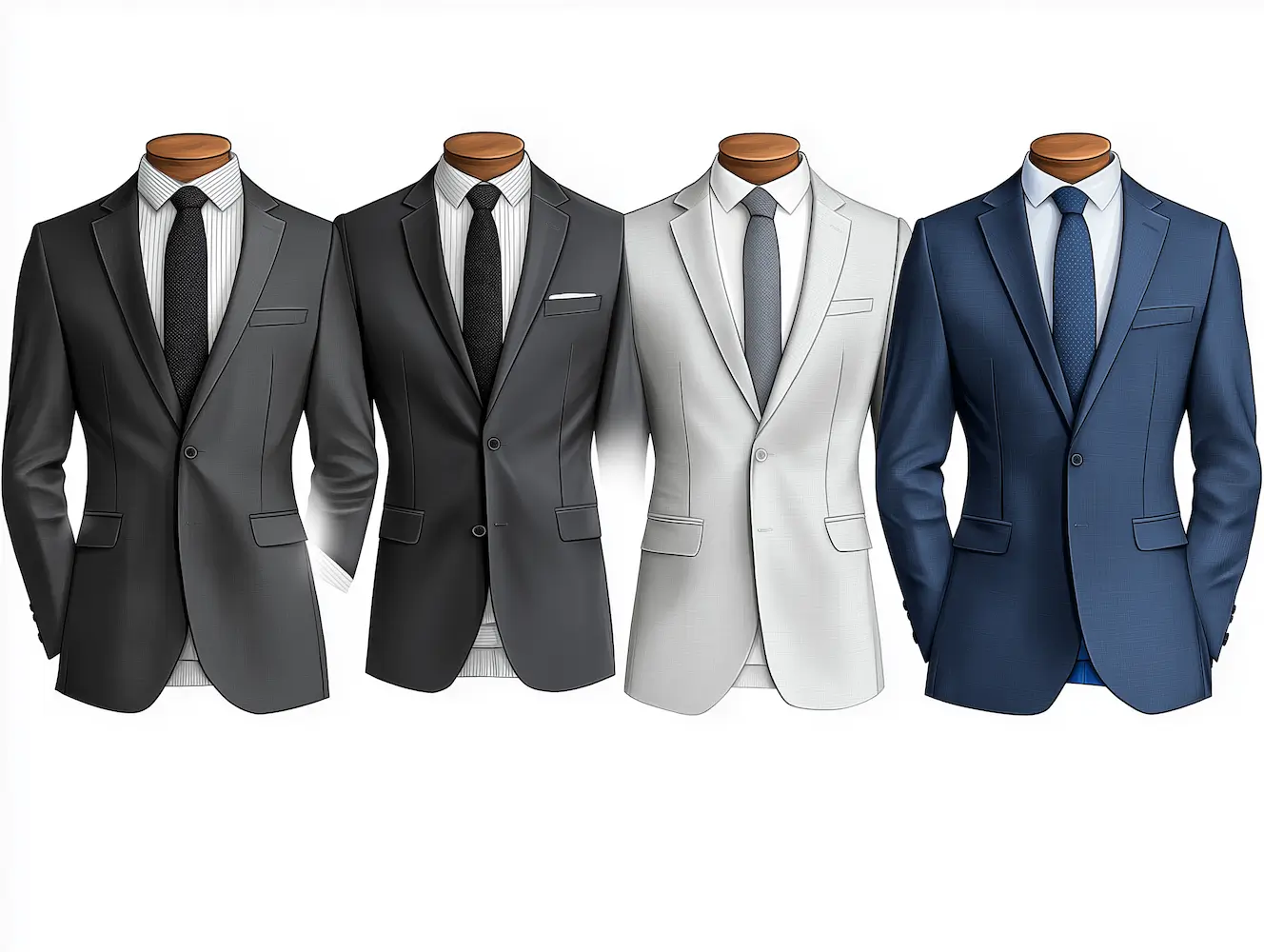
Choosing the perfect suit can feel overwhelming, but it doesn’t have to be. From selecting the right fit to deciding on materials, colors, and even small details like lapels and pockets, every choice shapes your look and comfort. This guide simplifies the process, giving you everything you need to know to find a suit that fits your style, occasion, and budget.
Here’s what you’ll learn:
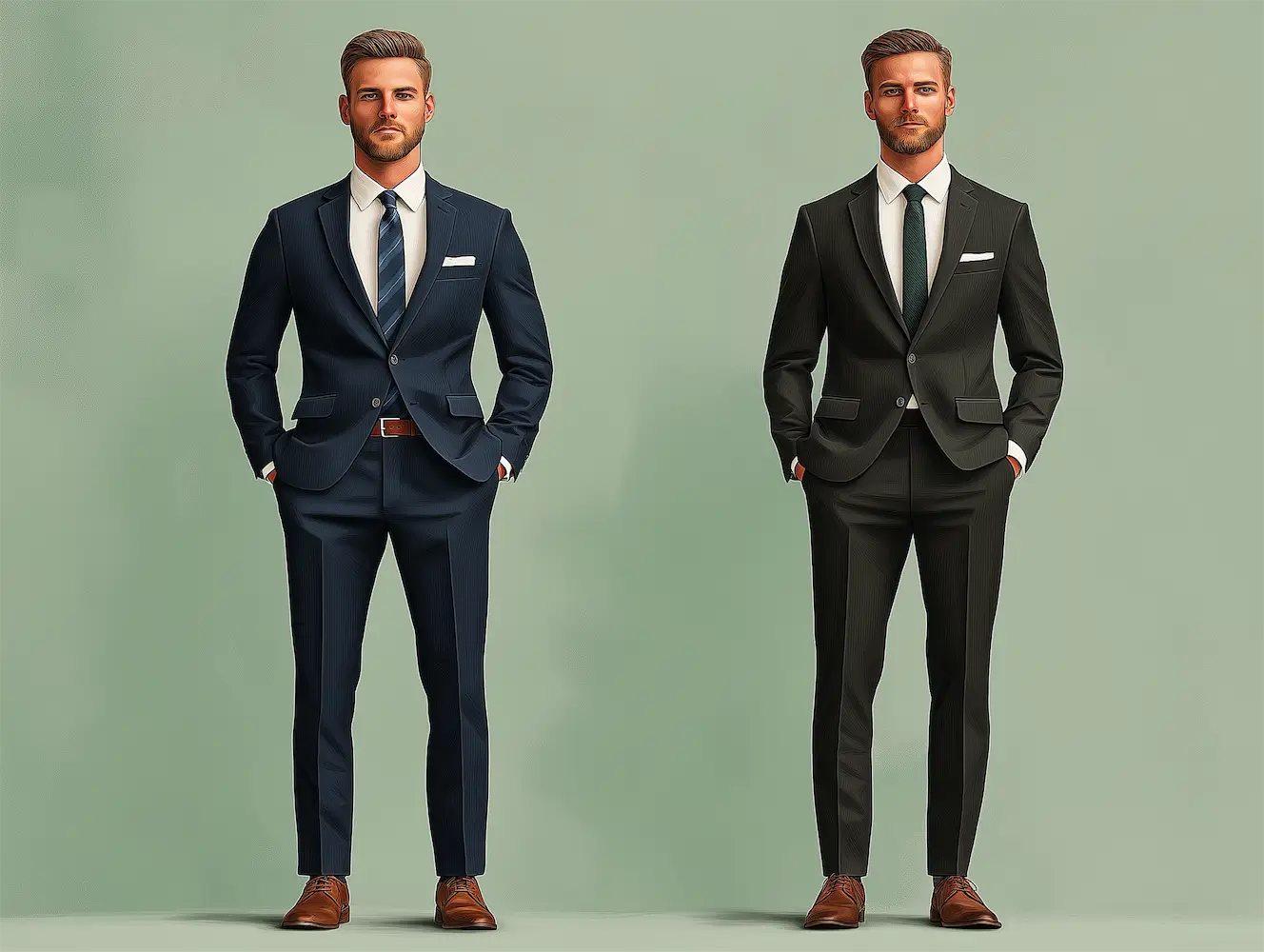
First, you need to choose the fit of your suit. Like other clothes, they have their own fit sizes. Here are the 4 types of fits you can find below.
A skinny-fit suit fits very close to the body. It has narrow shoulders, slim sleeves, and very tight pants. It’s best for people who are thin or lean. If someone is not very bulky, a skinny fit will match their shape nicely without feeling too tight.
A slim-fit suit is tighter around the chest. The armholes are a bit higher, and the pants fit closer to the legs. This fit is good for people who have an average or slim body shape. It gives a tidy look.
A classic fit suit is looser around the chest and shoulders, with wider pants. This fit works well for all body types and gives more size choices.
A relaxed fit, also called "modern classic fit" or "full cut," is even looser than a classic fit. It has more room around the chest, shoulders, and legs, so it feels very comfortable and spacious. This fit is good for people who like to move easily and want a more casual look.
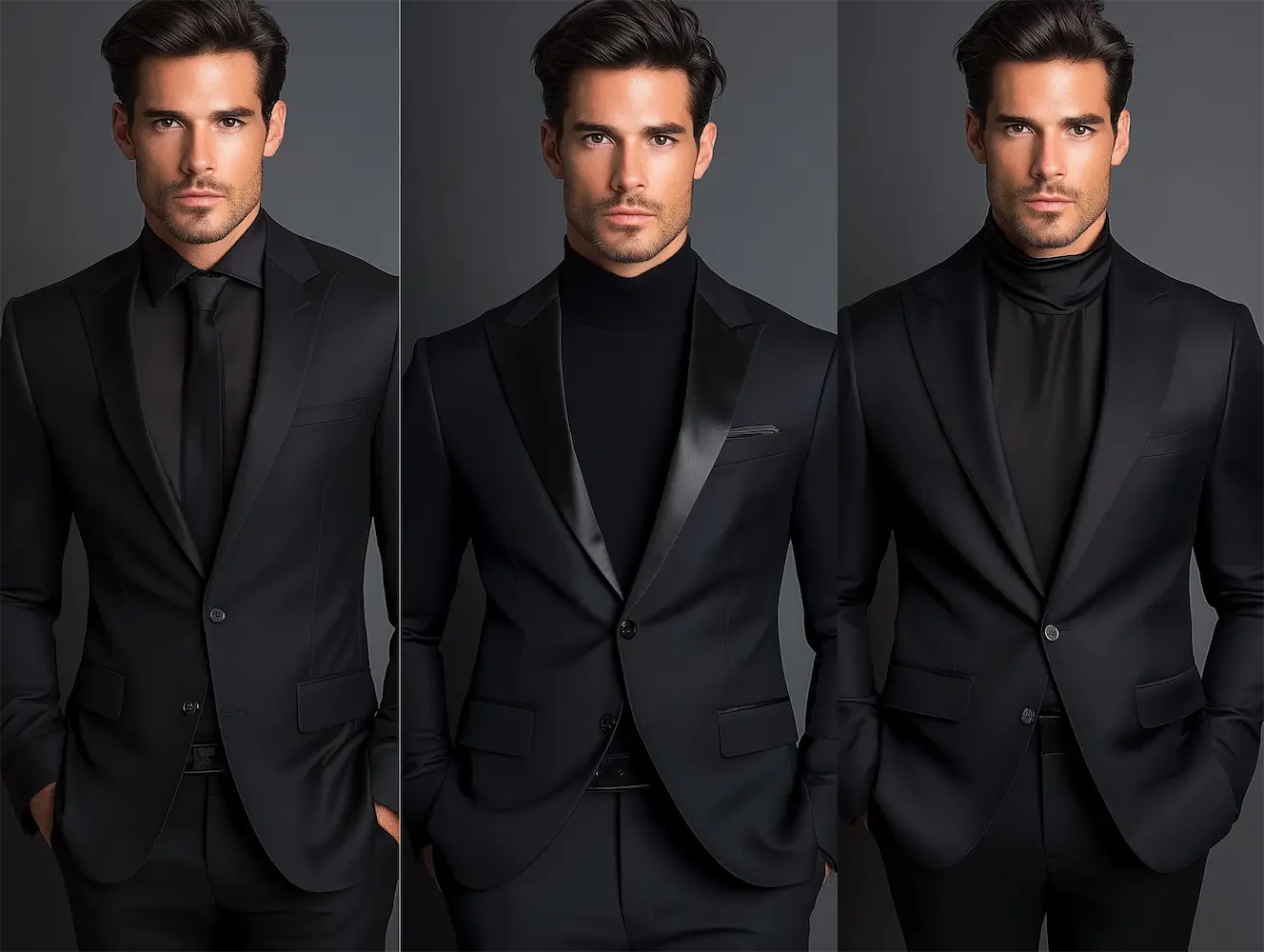
After choosing the fit, the next step is picking the right material. Weather matters most because different materials can keep you warm or cool.
In short, for each season, linen and cotton suits work best for summer, light wool for spring, mid-weight wool or polyester blend for fall, and wool, velvet, or cashmere for winter, with a 65% polyester and 35% viscose blend as a versatile option for any season.
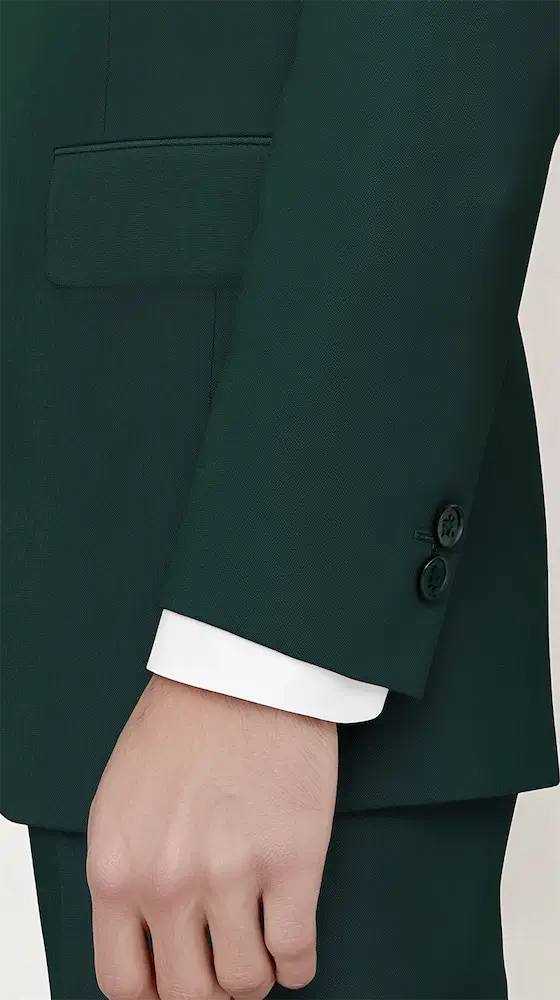
Suits consist of many parts, and these parts play a big role in defining the style, comfort, and overall look of the suit. Each detail from lapels to pockets adds its character, helping you find a style that fits your taste and the occasion. Understanding these parts can make it easier to choose the perfect suit.
Suit jacket buttons are a key part of its style and fit. It helps how formal it appears.
The lapel is the folded part of fabric on the front of the jacket, framing the shirt collar. It can tell how formal a suit is.
The silhouette is the overall shape and structure of the suit jacket, affects how fitted or loose it looks.
Shoulders play a big role in shaping the jacket. It can make the jacket look softer or more structured.
Vents are the slits at the back of the jacket, allowing for more movement and comfort. They affect both style and function.
Cuff length is essential for a best look, and it’s common to adjust this length for the perfect fit.
Proper sleeve length should show about half an inch of shirt cuff below the jacket sleeve. This may need tailoring for a precise fit.
The break refers to how the trousers meet the shoes, creating different creases or no crease at all. This choice impacts the formality of the suit.
Trouser cuffs refer to whether the bottom hem of the trousers is folded or left plain.
Suit pockets can vary in style, affecting its look and function. Here’s a breakdown of common pocket types:
The chest pocket sits on the left side of the jacket and is traditionally used to hold a pocket square.
Welted Chest Pocket: Standard slit pocket that sits close to the jacket for a sleek look.
The lining is the inner fabric layer of the suit jacket and sometimes the trousers, adding comfort, durability, and sometimes style.
Lapel width can subtly influence the style and look of the suit. Narrower lapels tend to look more modern, while wider lapels give a vintage or classic look.
Pleats are folds of fabric at the waistband, adding room and ease to the trousers. They affect both comfort and style.
Some trousers come with waist tabs—small adjusters on the waistband—offering a clean look without needing a belt.
The type and style of buttons can add personality to the suit.
FREE SHIPPING BUNDLE PRICE !!!
Shirt, Tie, Pocket Silk & Socks Included
FREE SHIPPING BUNDLE PRICE !!!
Shirt, Tie, Pocket Silk & Socks Included
FREE SHIPPING BUNDLE PRICE !!!
Shirt, Tie, Pocket Silk & Socks Included

Choose solid colors for formal events and classic looks. Opt for patterns like fine lines or checks for a more relaxed style. Darker colors, like navy and black suits, are versatile, while lighter shades, like gray or beige, suit casual or daytime events.
For a winter gala, choose burgundy or red suits, while summer weddings call for light blue or beige for guests, and black or blue tones for a groom's formal look.
If you are asking how to choose the color, consider the event and season. Dark tones work for evening or formal events, while lighter tones suit daytime or summer occasions. Neutral colors like navy or gray are safe for most settings. For autumn wedding suits , warm tones like brown, burgundy, or olive green are excellent choices. For weddings or parties, brighter colors like blue or burgundy can stand out.
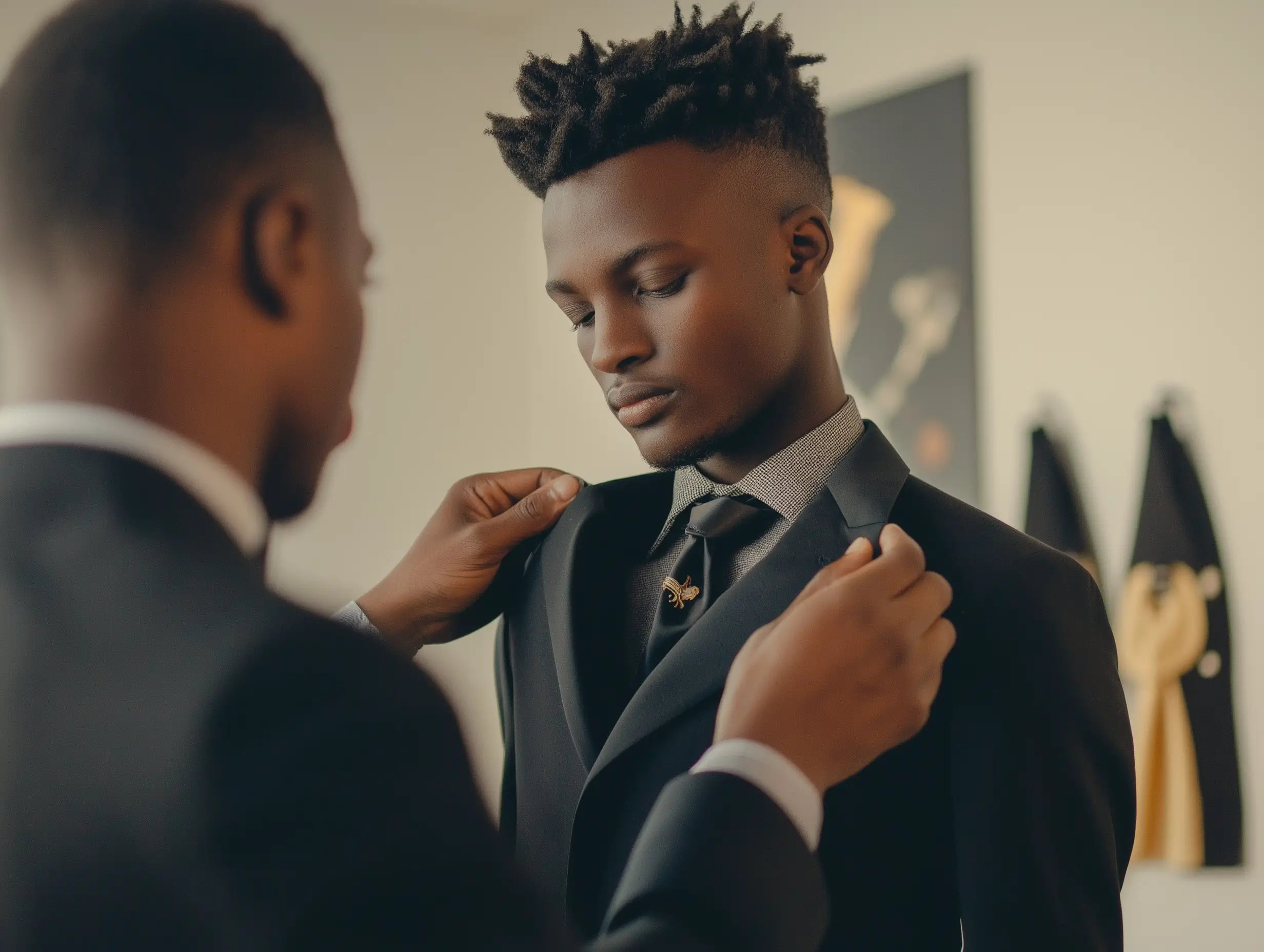
To pick the right suit size, you need to measure these seven main areas:
If you wonder what is “Drop” in a suit, you might hear the term "drop" when buying a suit. It’s the difference between your jacket size and pant size, usually 6 inches. For example, if you wear a 44R jacket, your pants will typically be size 38. Read on to learn more about how this works.
Suit tailors or producers often leave an extra 1-2 inches of fabric in the pants. This allows for easy adjustments to ensure the perfect fit.
If you know your jeans size, finding your suit size is simple. In the table below, "Waist" refers to your jeans size. Match your waist size and height to determine your jacket size and length.
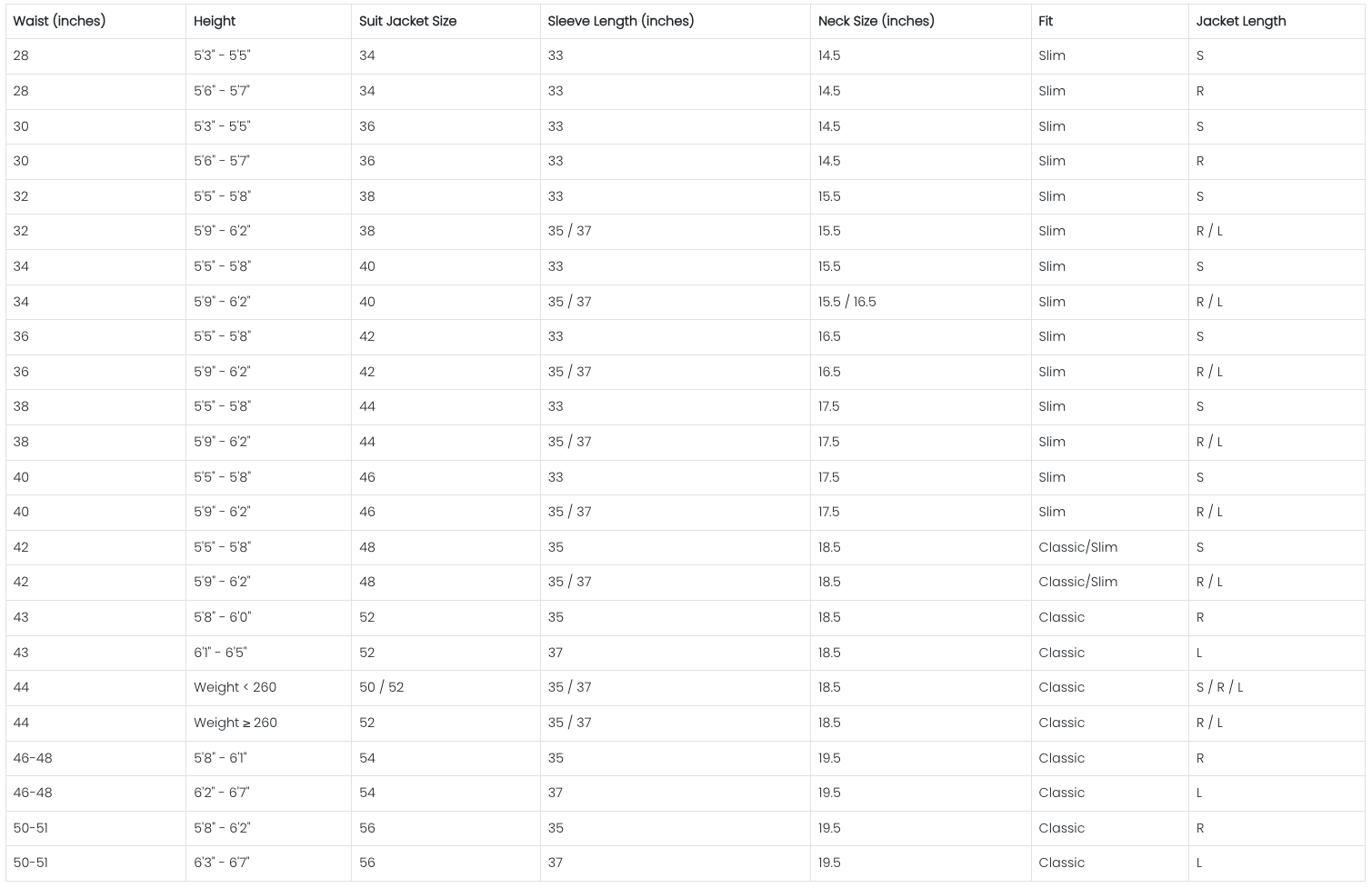
Examples:
Try our AI powered suit size calculator to measure your sizes easily.
Suit prices vary based on material and brand. Polyester blends are more affordable, while wool, cashmere, or designer brands cost more. Decide your budget and choose a suit that fits both your style and price range.
Suits priced between $200 and $300 are often considered great for price-performance. Retailers like Suitcentury offer high-quality suits at even better prices because they focus on direct sales and efficient production, cutting out unnecessary costs.
Finally, now you know all the basics for it, you are all ready to get your very next, perfect suit. If you have any question or any tip simply drop us an email or visit our help center for suits and tuxedos.
With the top rated event creator, wedding event creator for groups! Best for wedding, prom and special events! Suit up yourself and your groomsman!
With just few easy step you can create an event, invite the members and get professional help!
How It Works Create Event Now!
Navigate the world of men's wedding suits with our comprehensive guide. From understanding the dress code to adding the final touches, discover how to choose the perfect suit with Suitcentury.
Suitcentury's Event Creator simplifies group suit shopping. Choose styles, send invites, and coordinate looks easily!

1 Comment
Amazing guide for customers who wish to have a wonderful suits in any occassions. The inputs, variation and sizing bears it all.